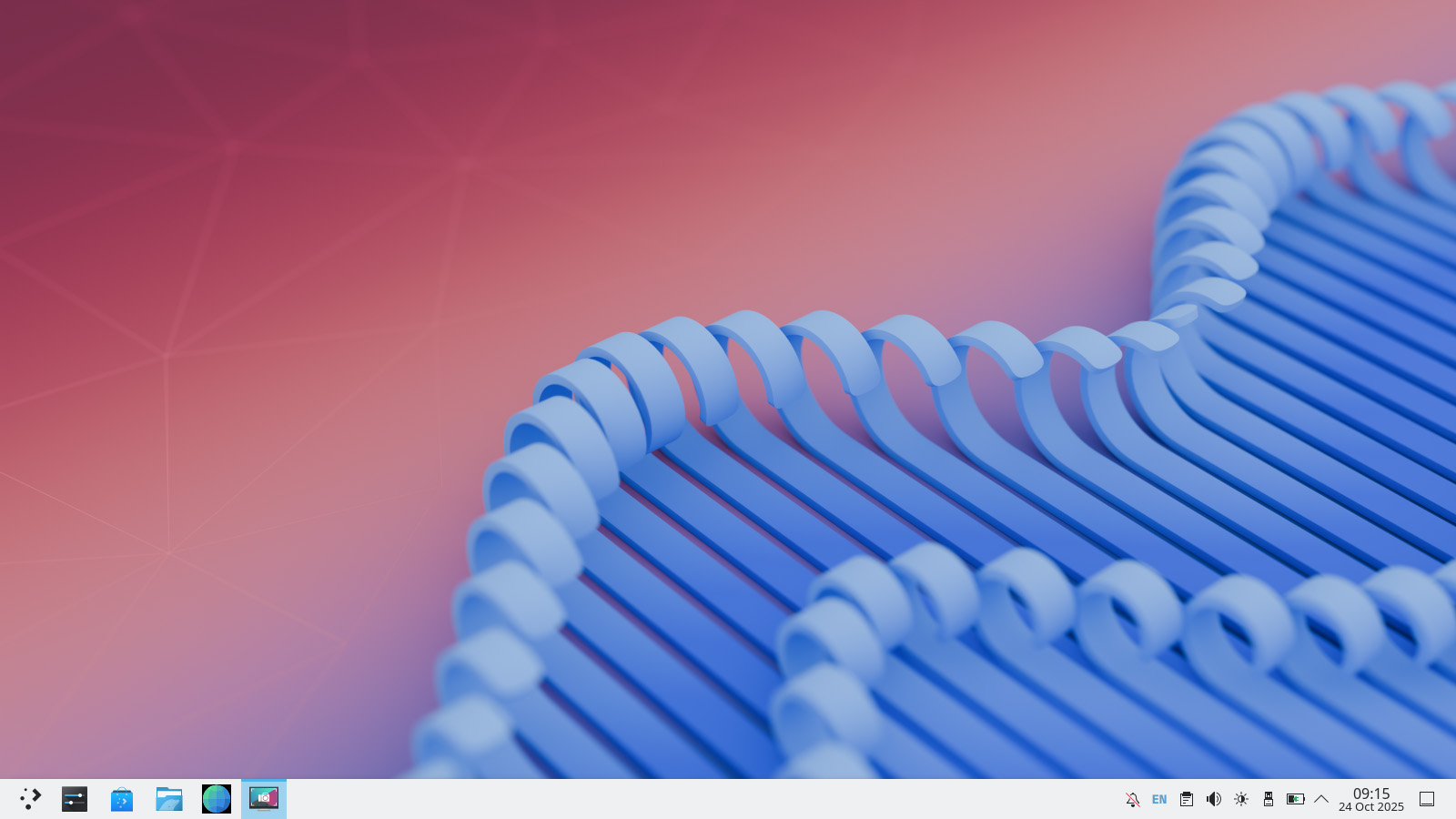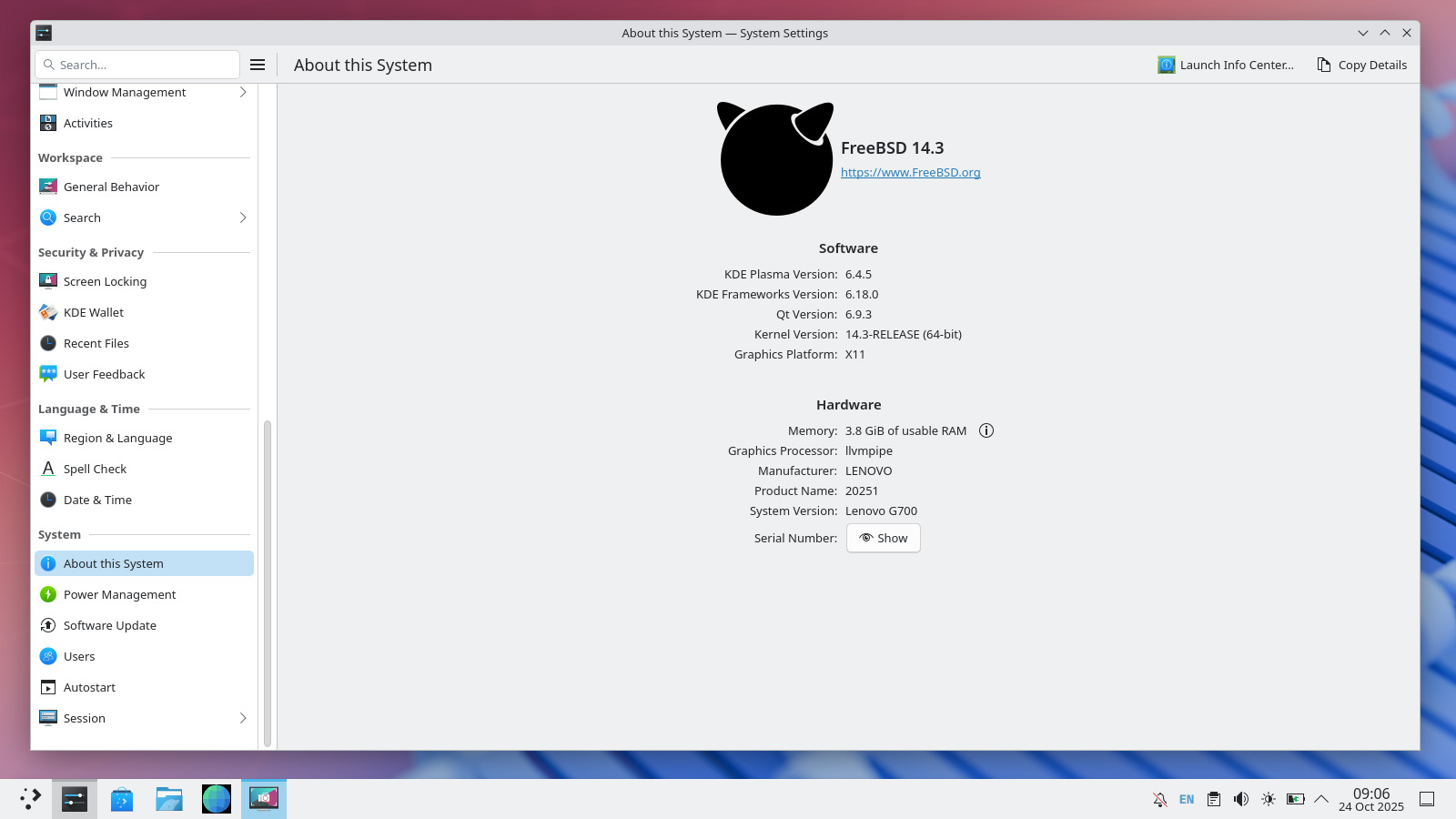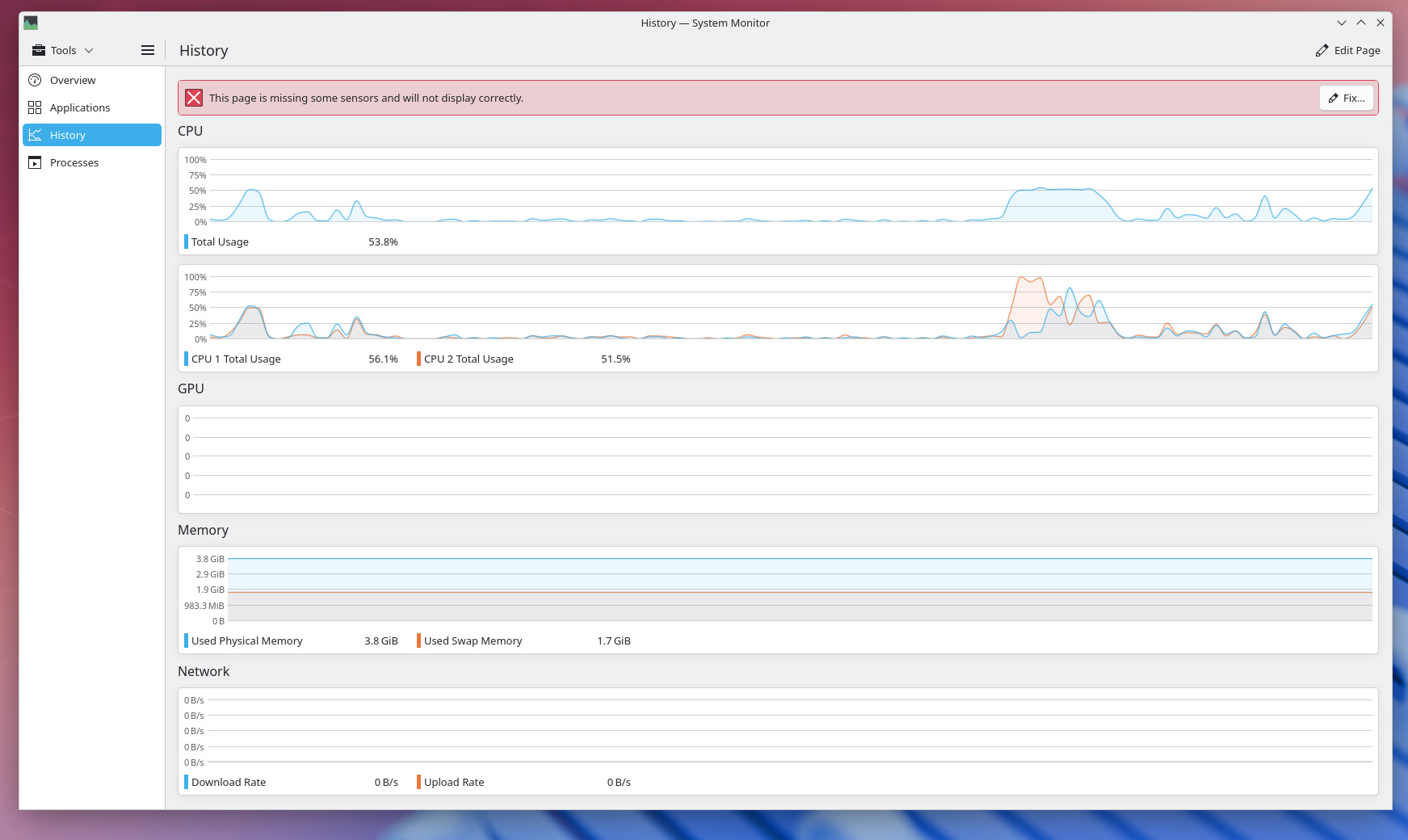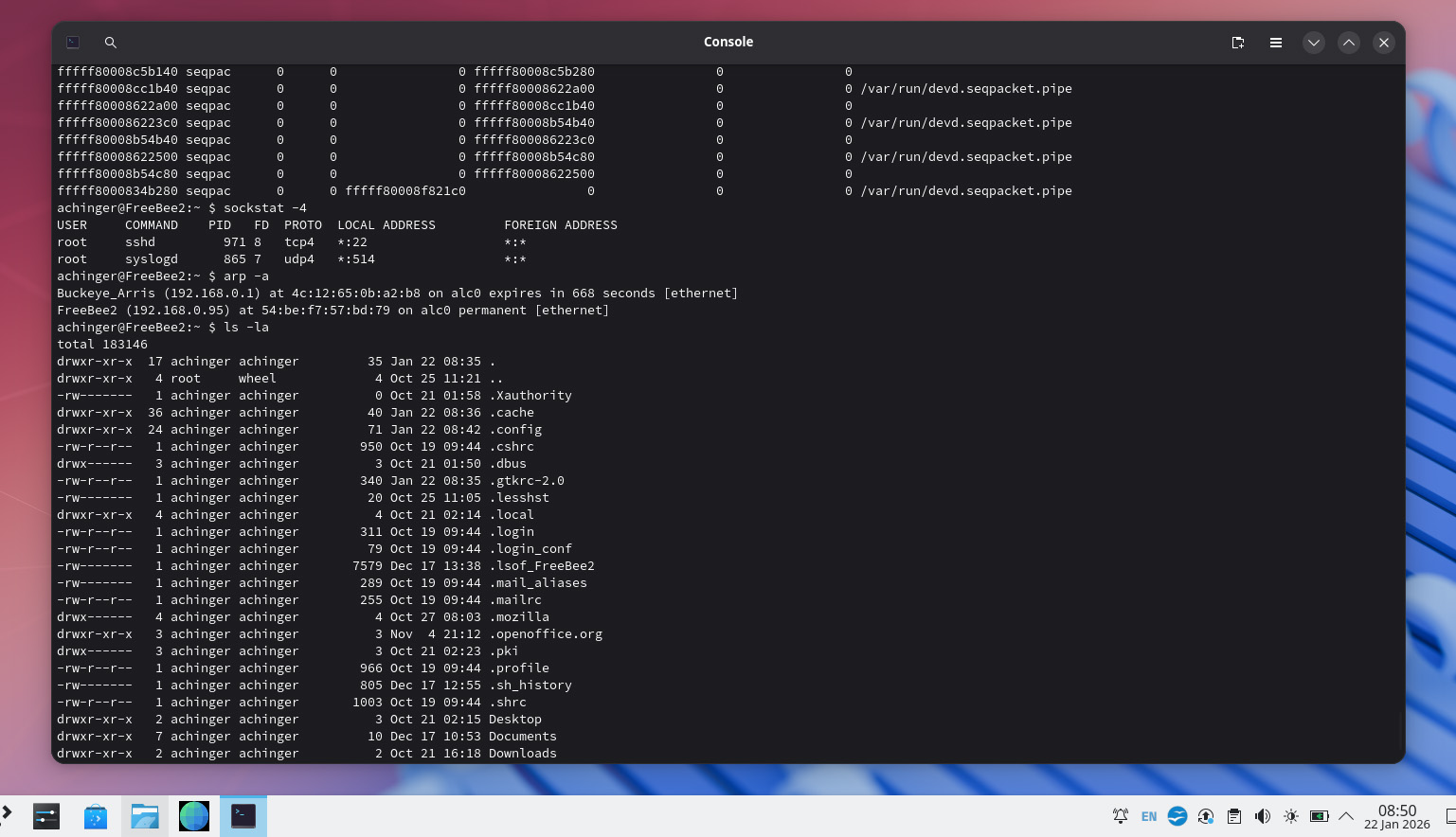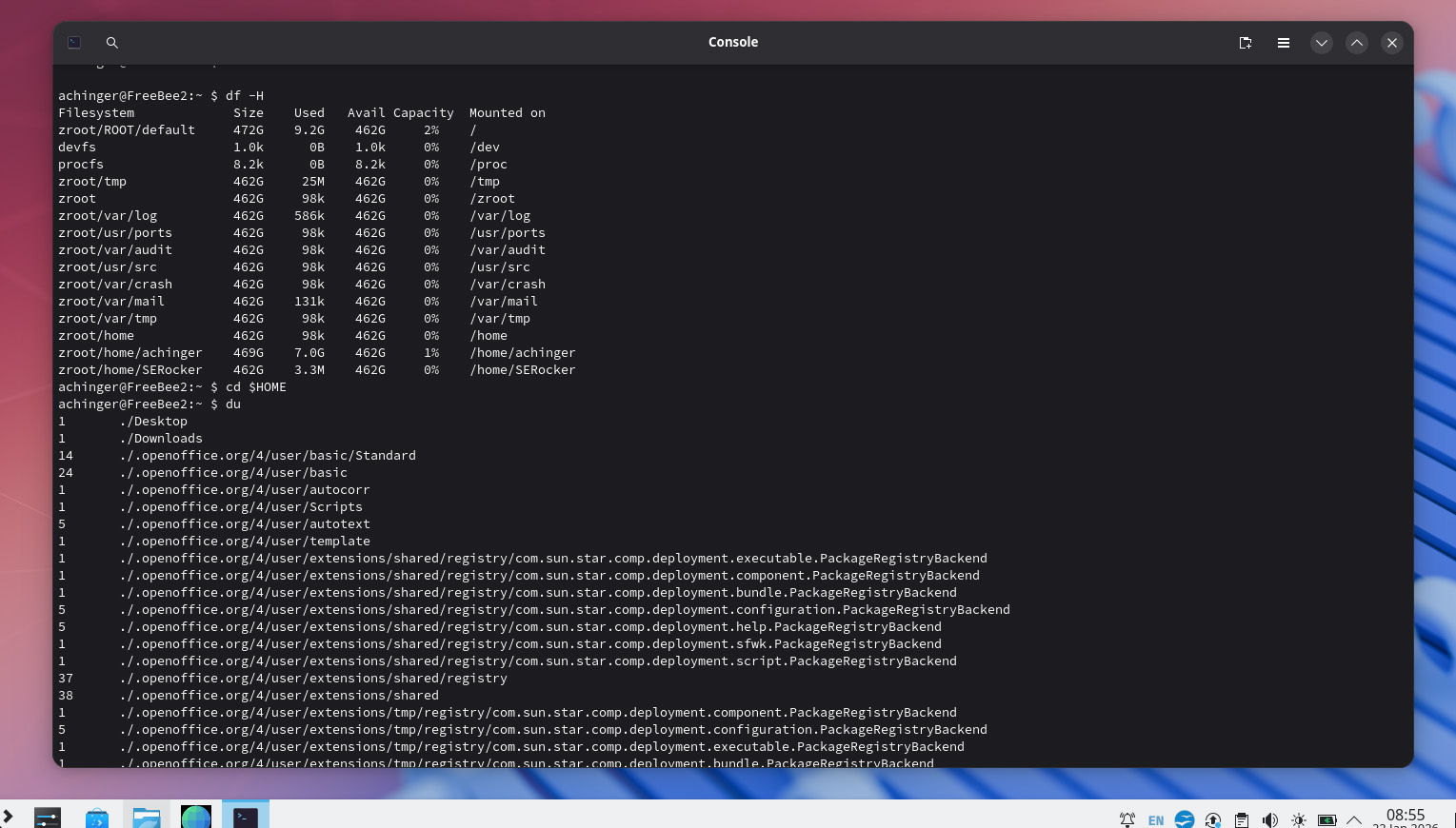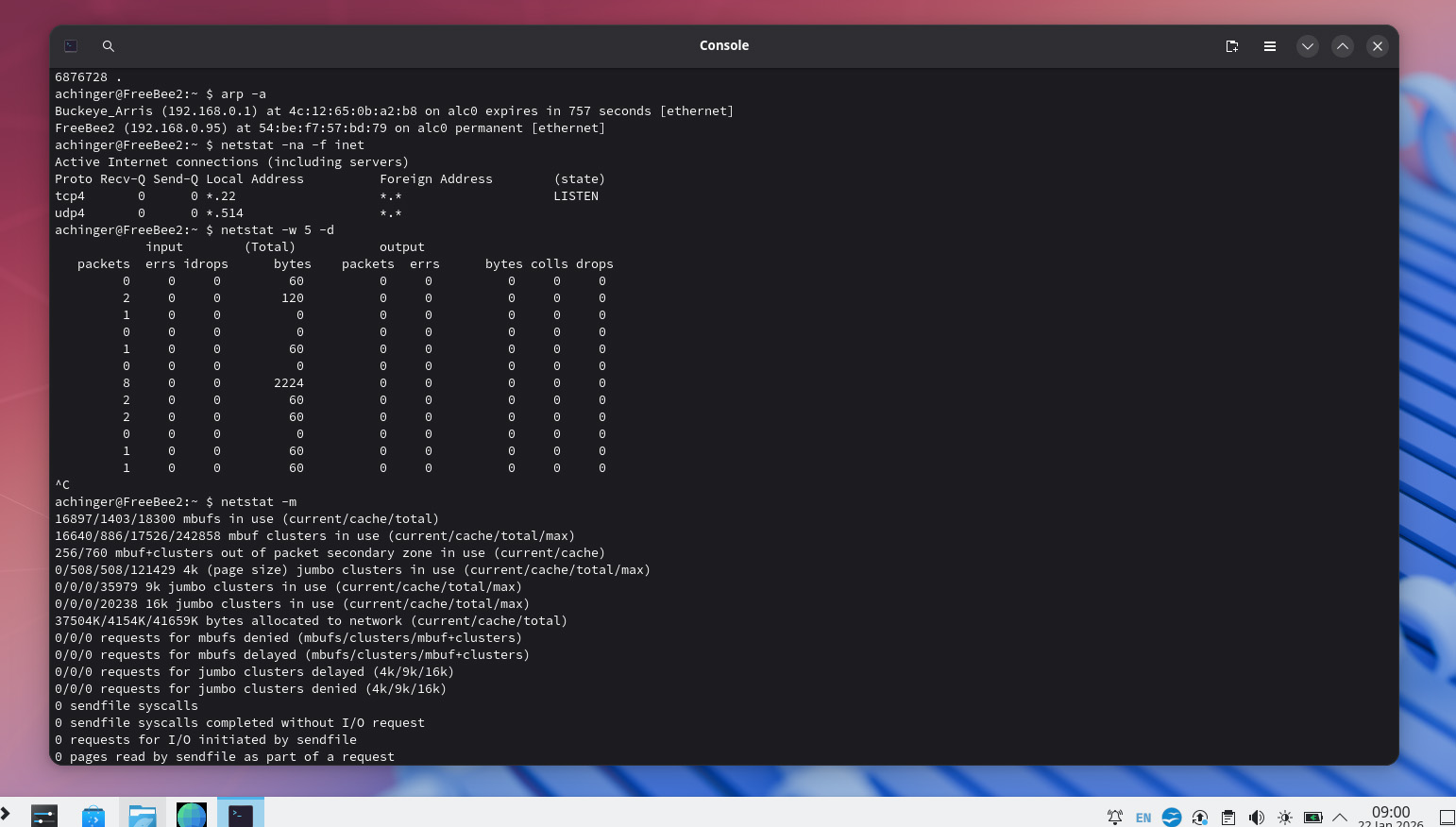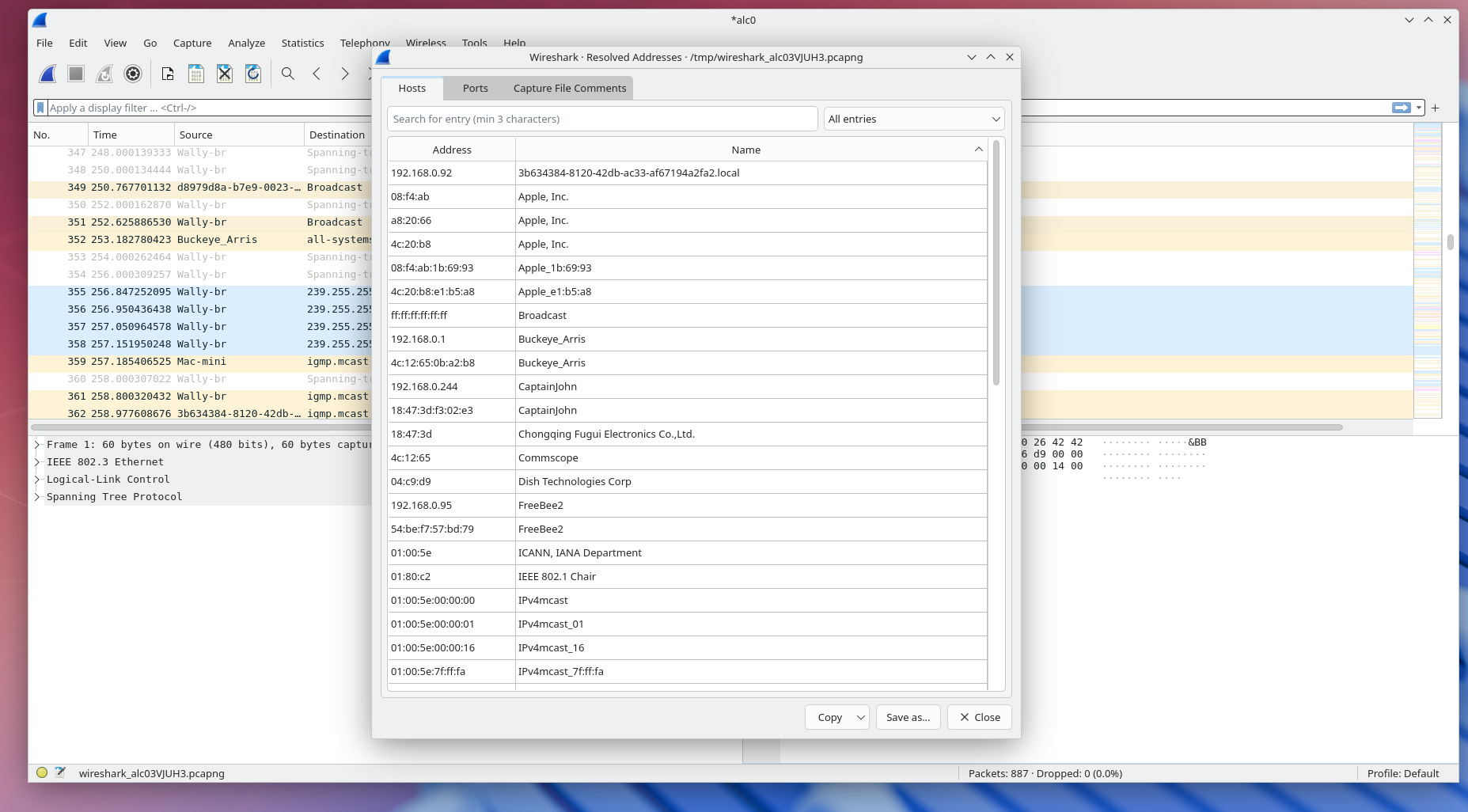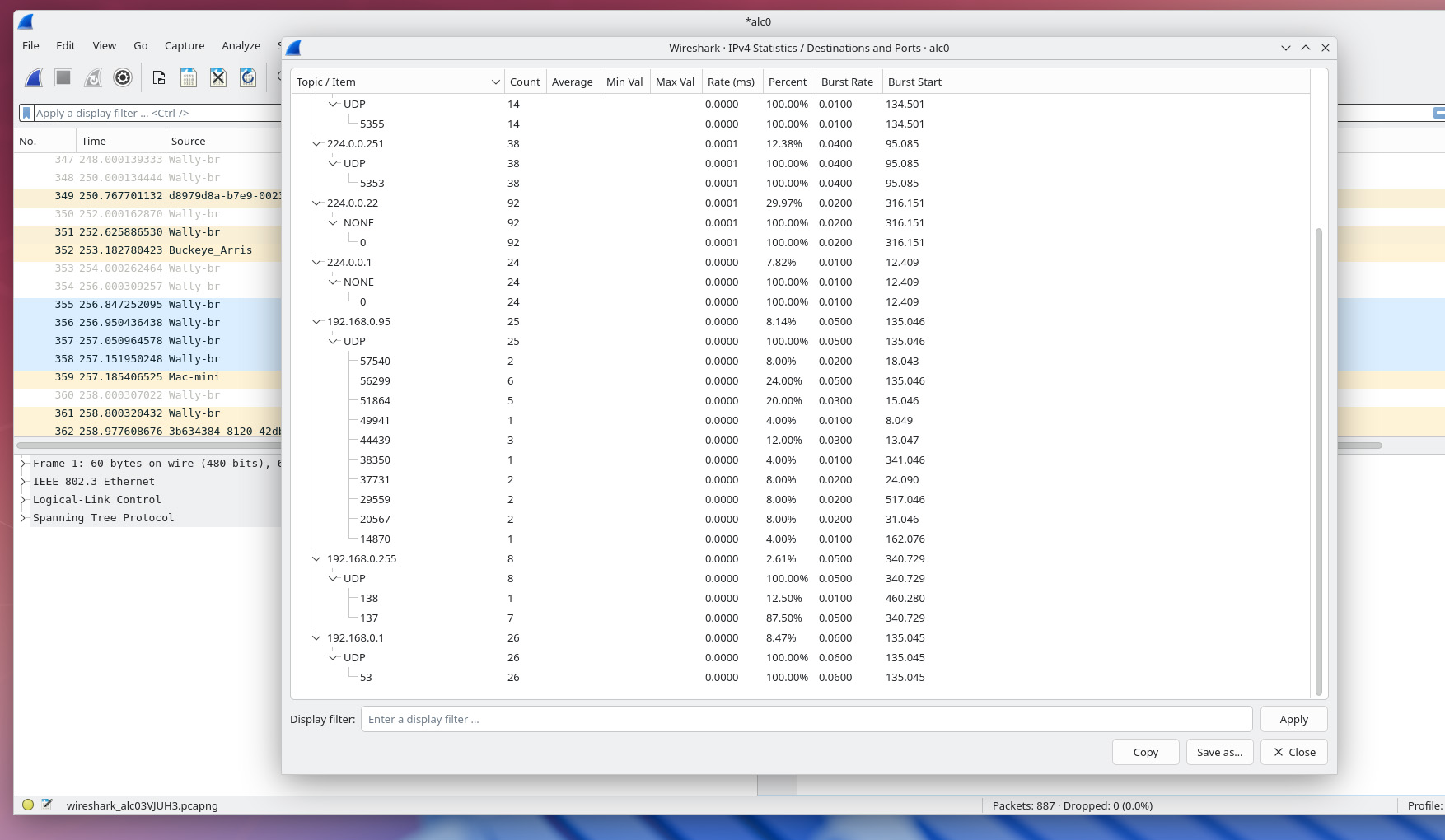
FreeBSD is a complete, open-source operating system. Developed and maintained as a cohesive project, with four decades of continuous development and support, FreeBSD includes the kernel, device drivers, userland utilities (like shells, file utilities, compilers), and documentation, all managed under one umbrella. It is renowned for its stability, robust networking stack, security features, and the permissive BSD license. FreeBSD excels in powering modern servers, desktops, and embedded platforms.
Basically, FreeBSD Unix just works - period!! Derived from the Berkeley Software Distribution (BSD), it's origins date back to the
late 1970s within the Computer Systems Research Group at the University of California Berkeley. The key to its reliability resides with its development team and user community. FreeBSD's
key strengths are:
* Its portability - 64-bit systems, 32-bit, and even older hardware systems are stable and secure.
* FreeBSD simplifies software management thru its advanced
packaging & ports collection.
* Its advanced filesystem and customization features.
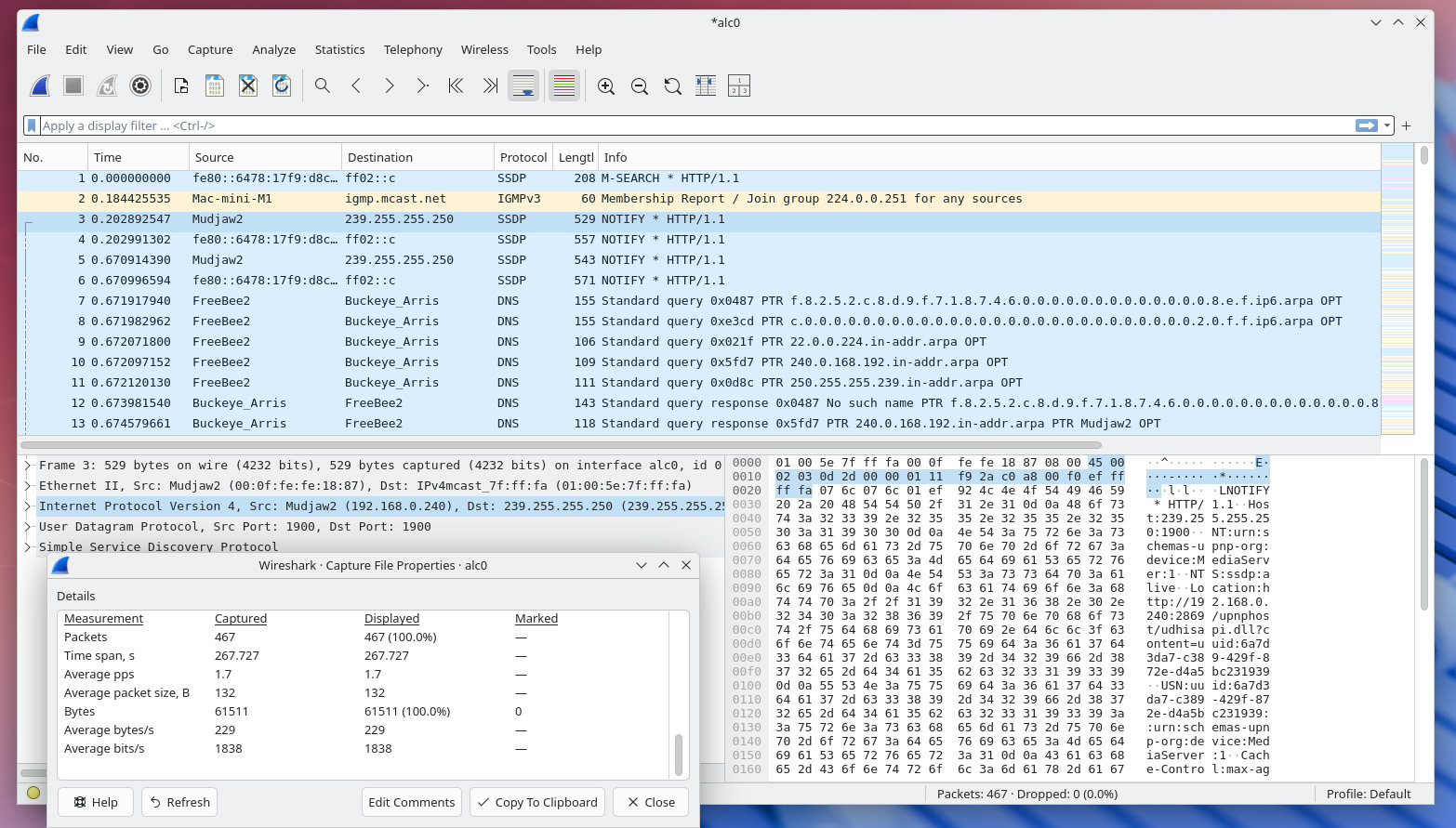
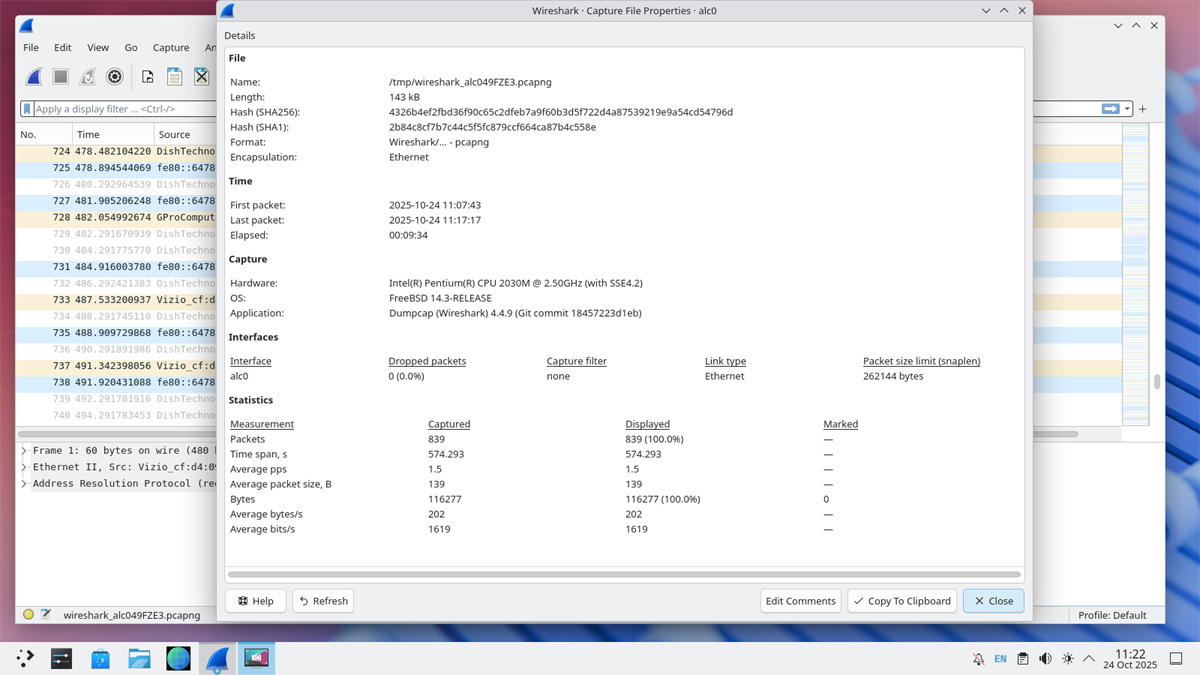
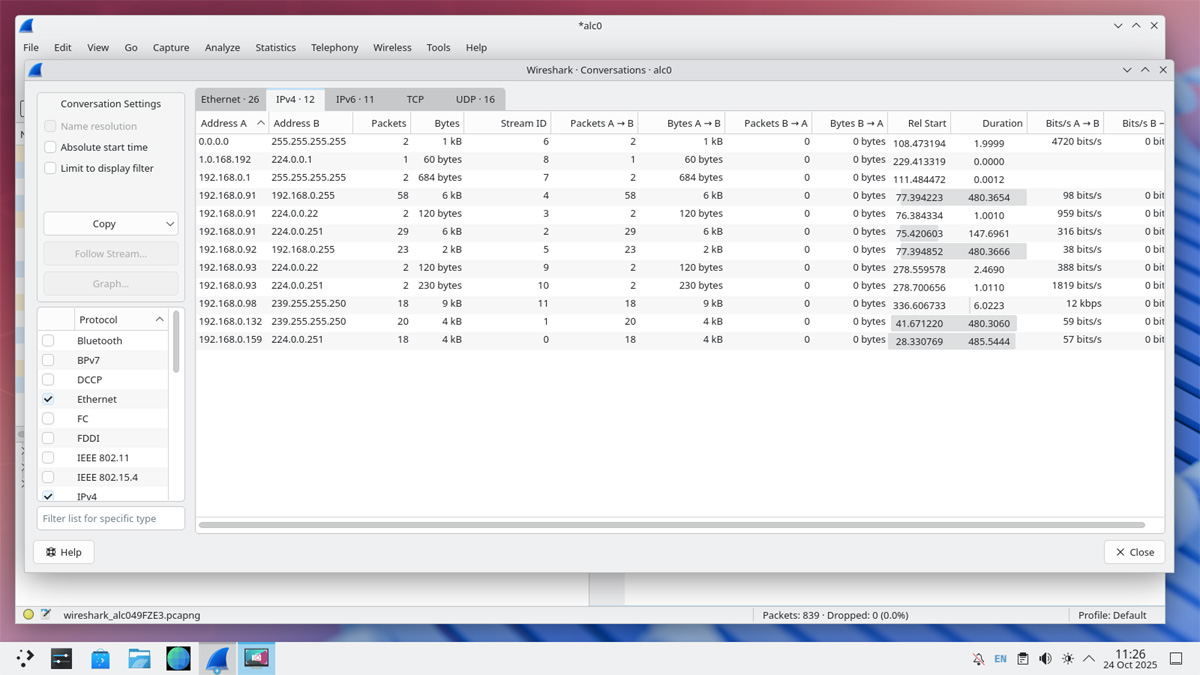
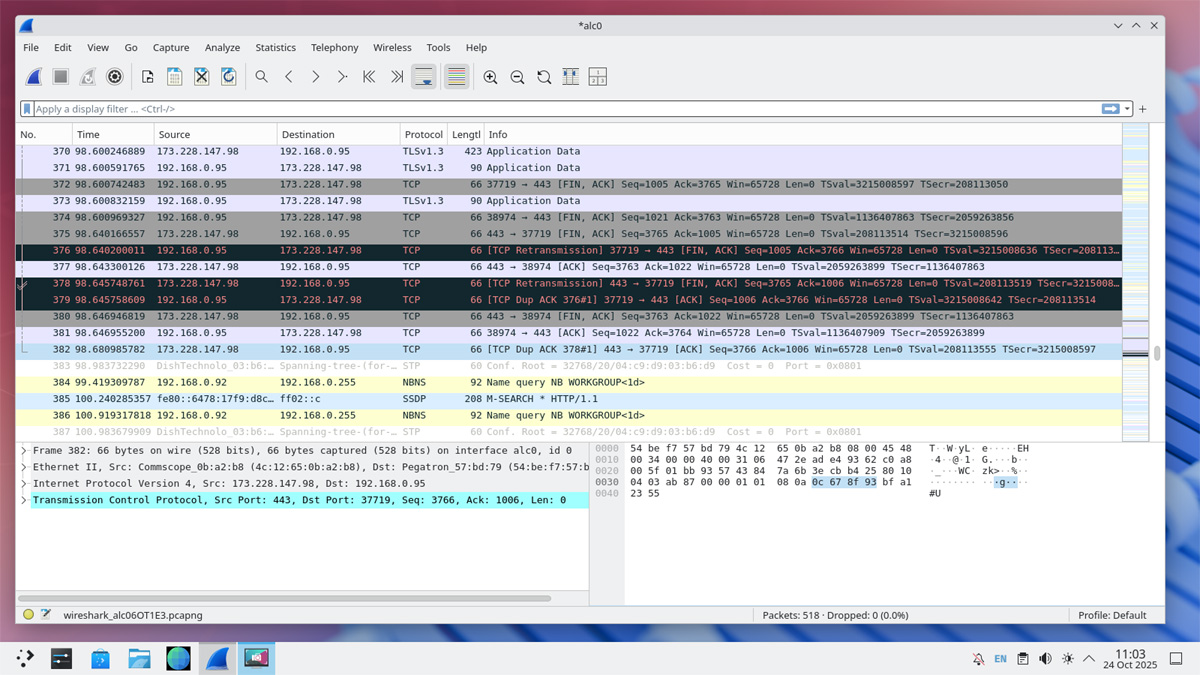
FreeBSD is an excellent choice as an underlying platform for any network service.
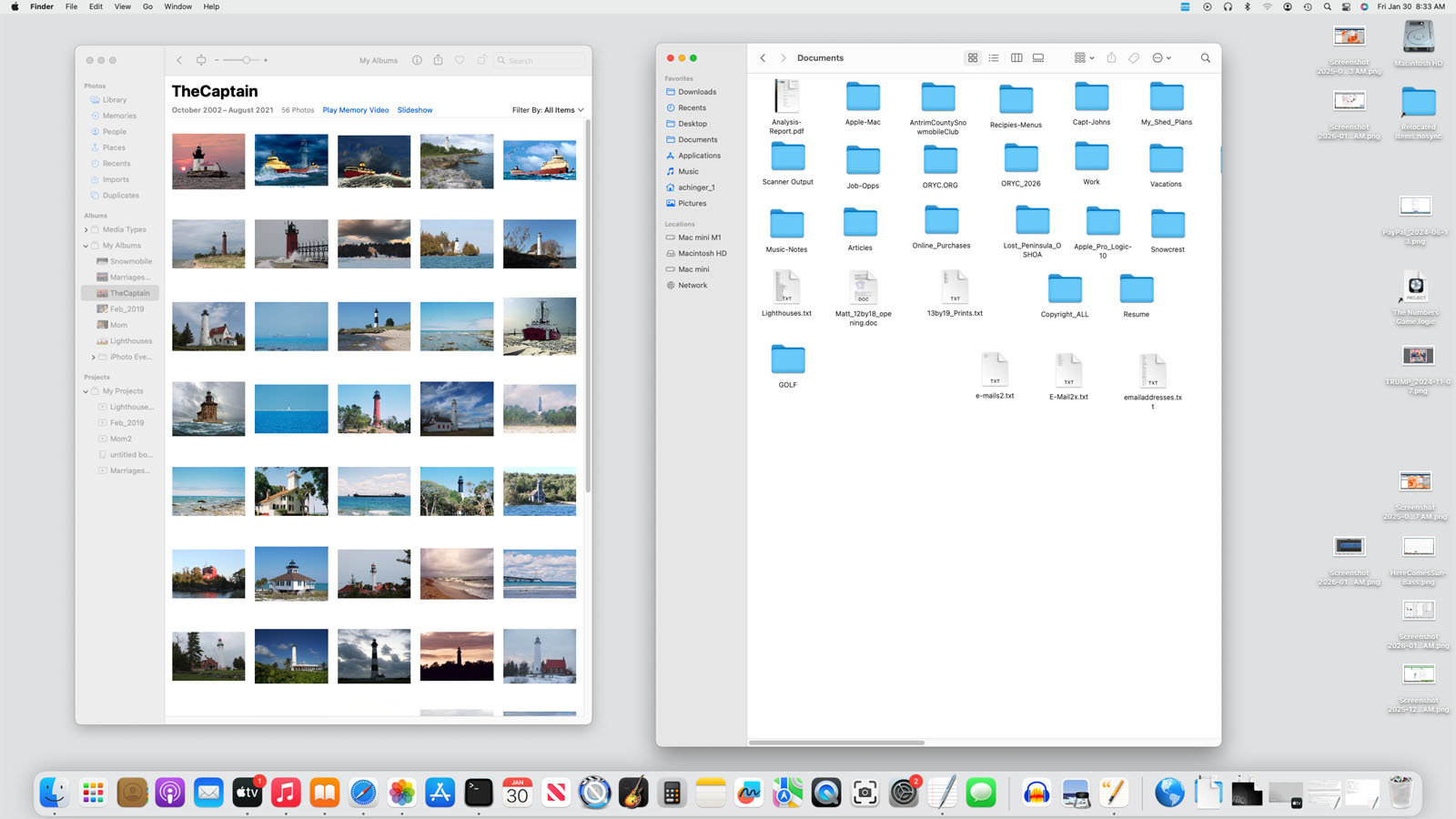
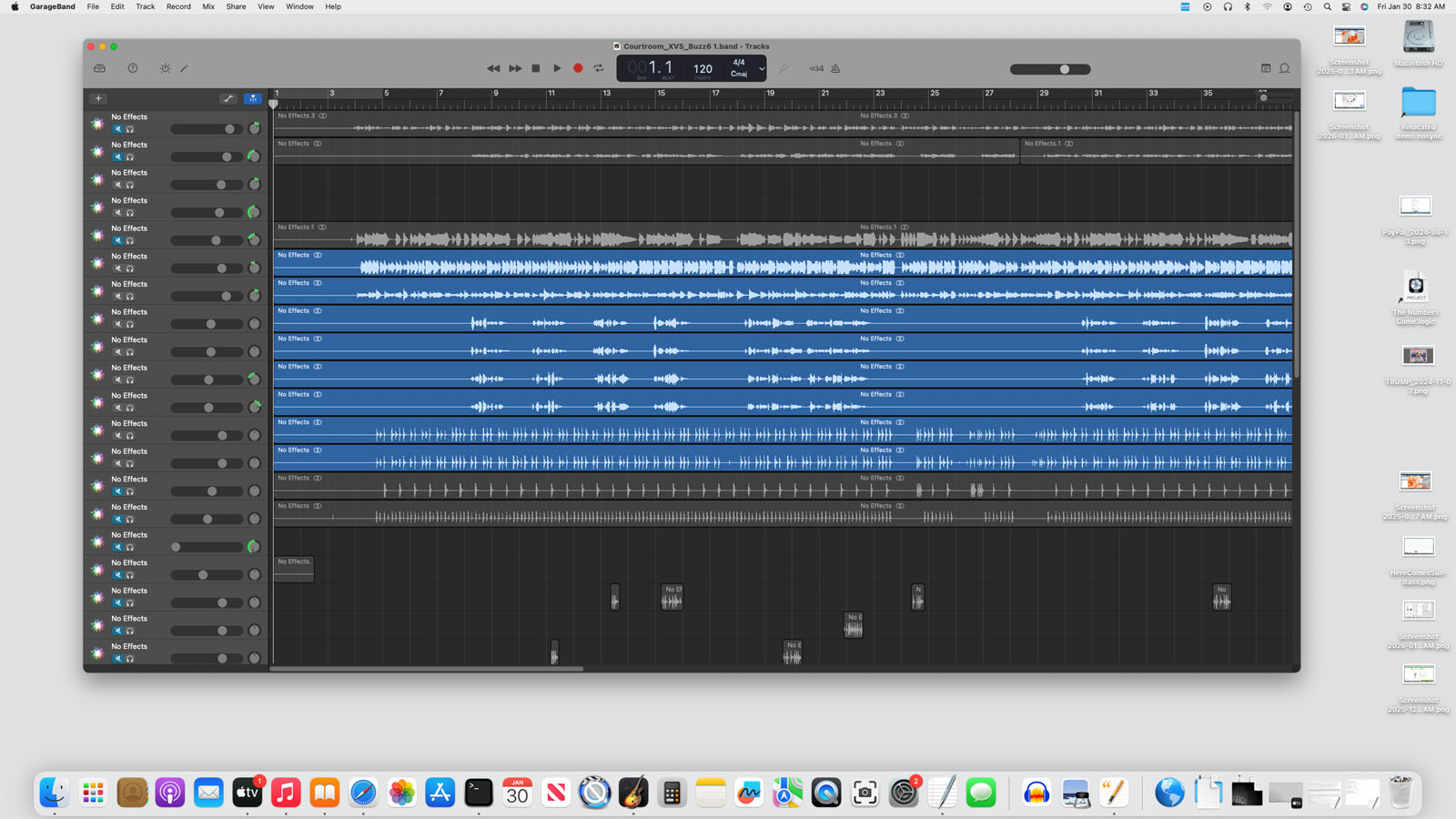
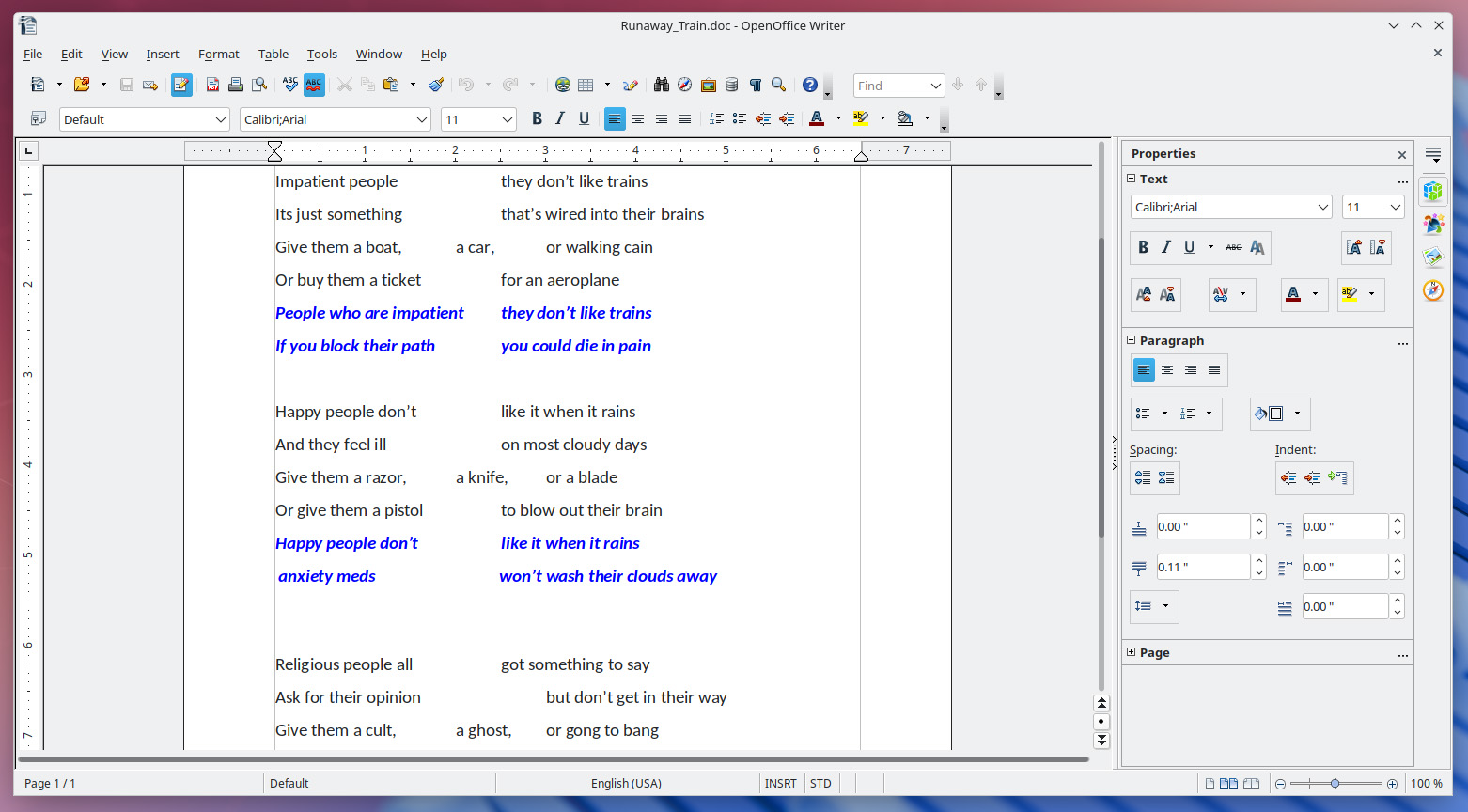
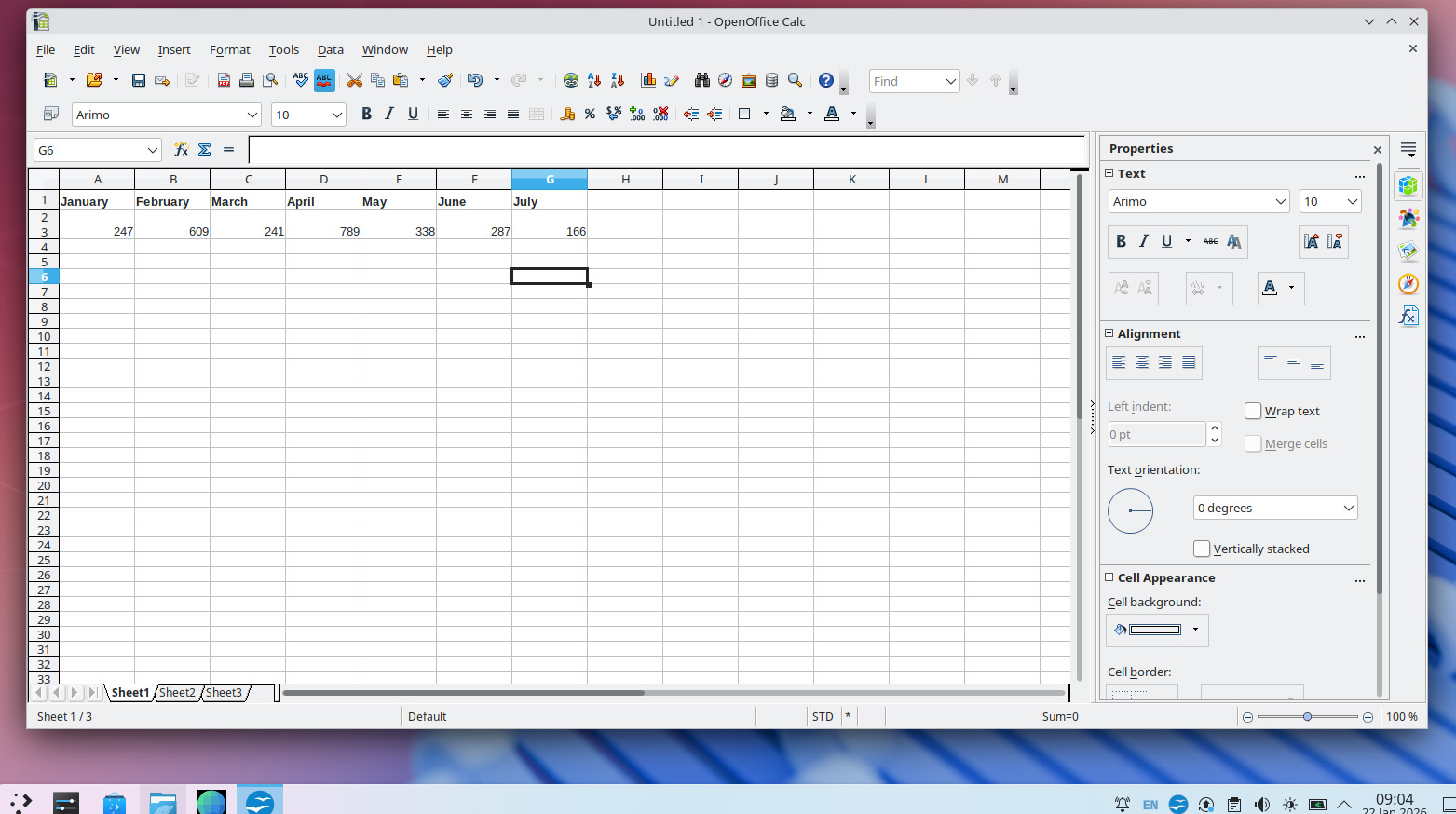
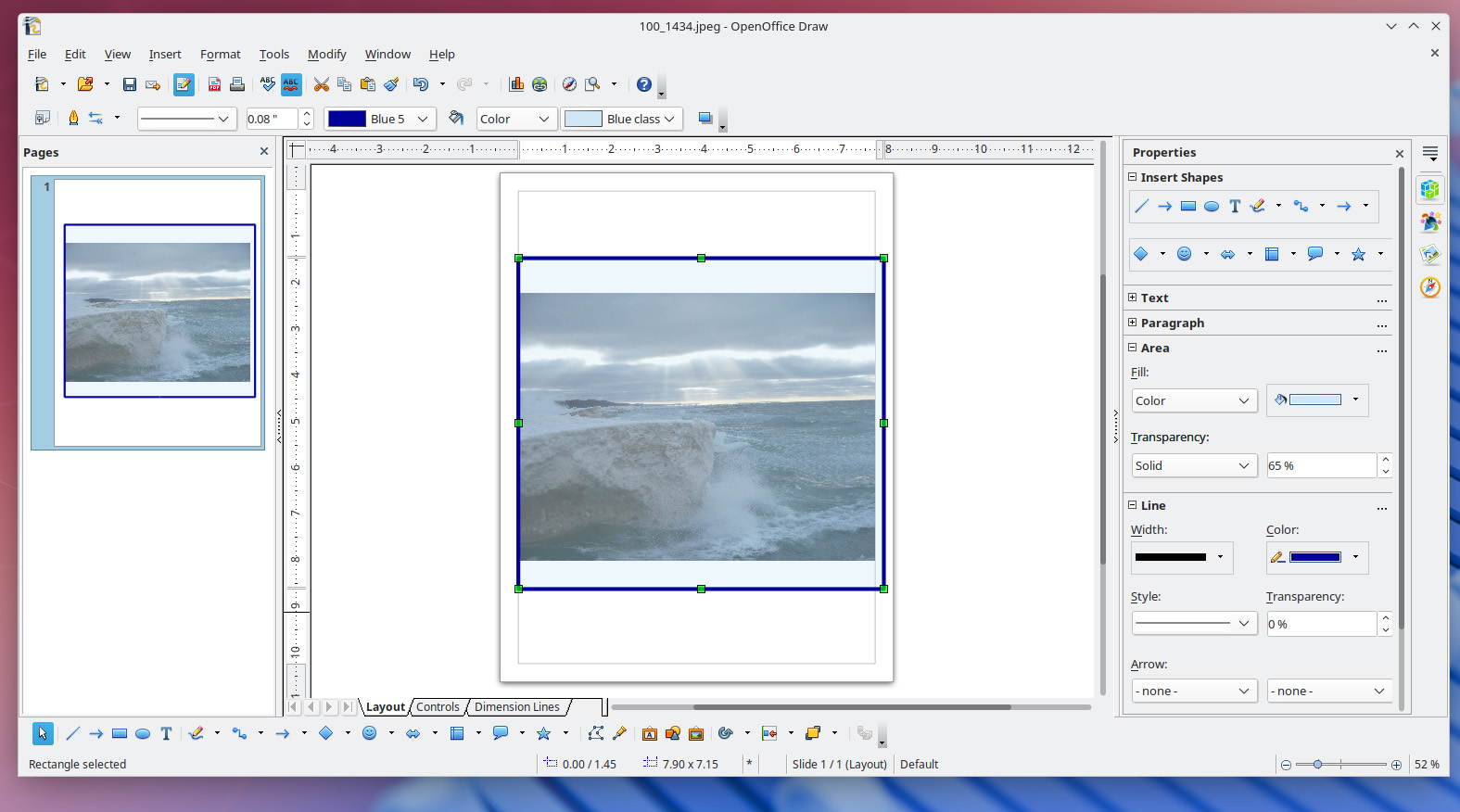
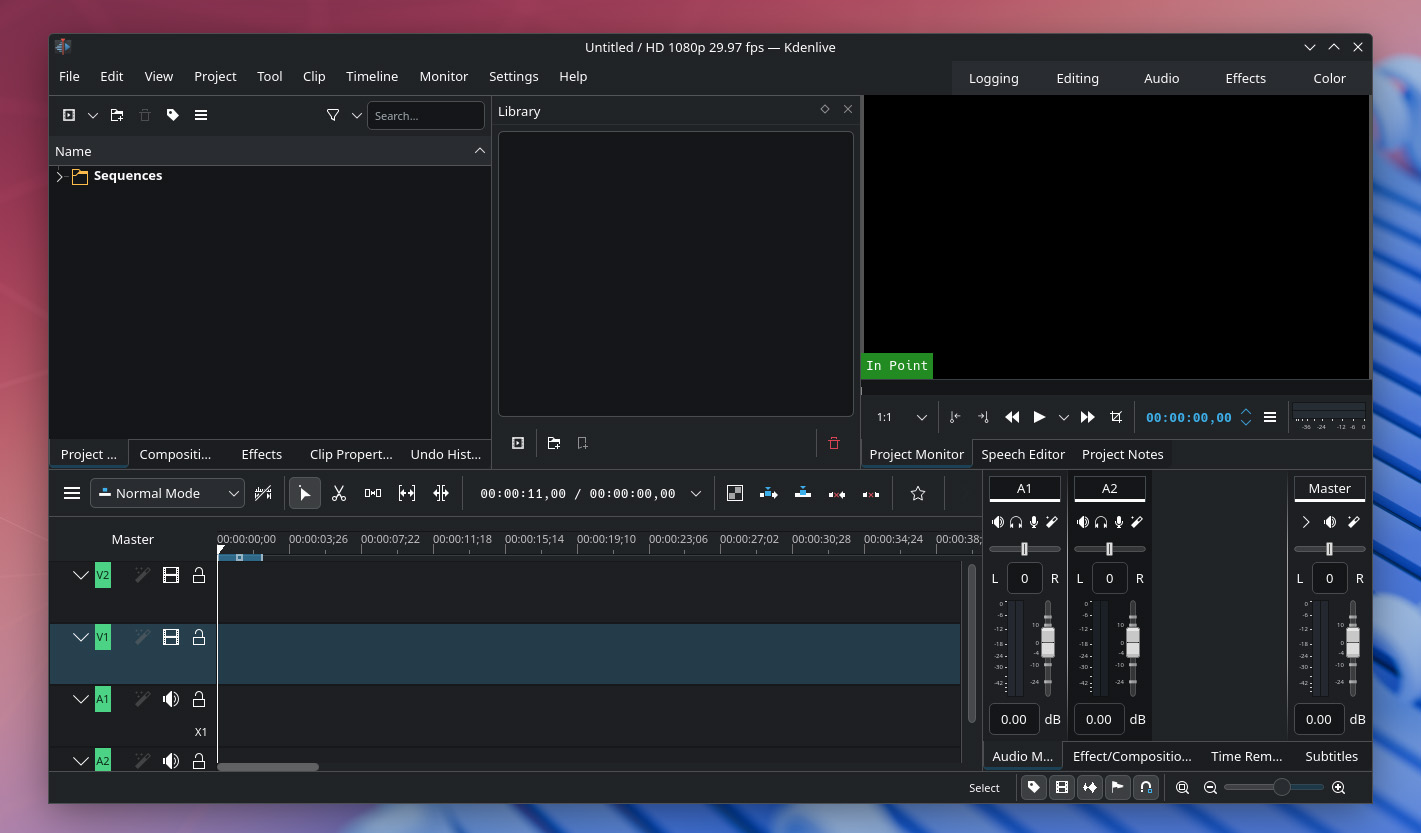
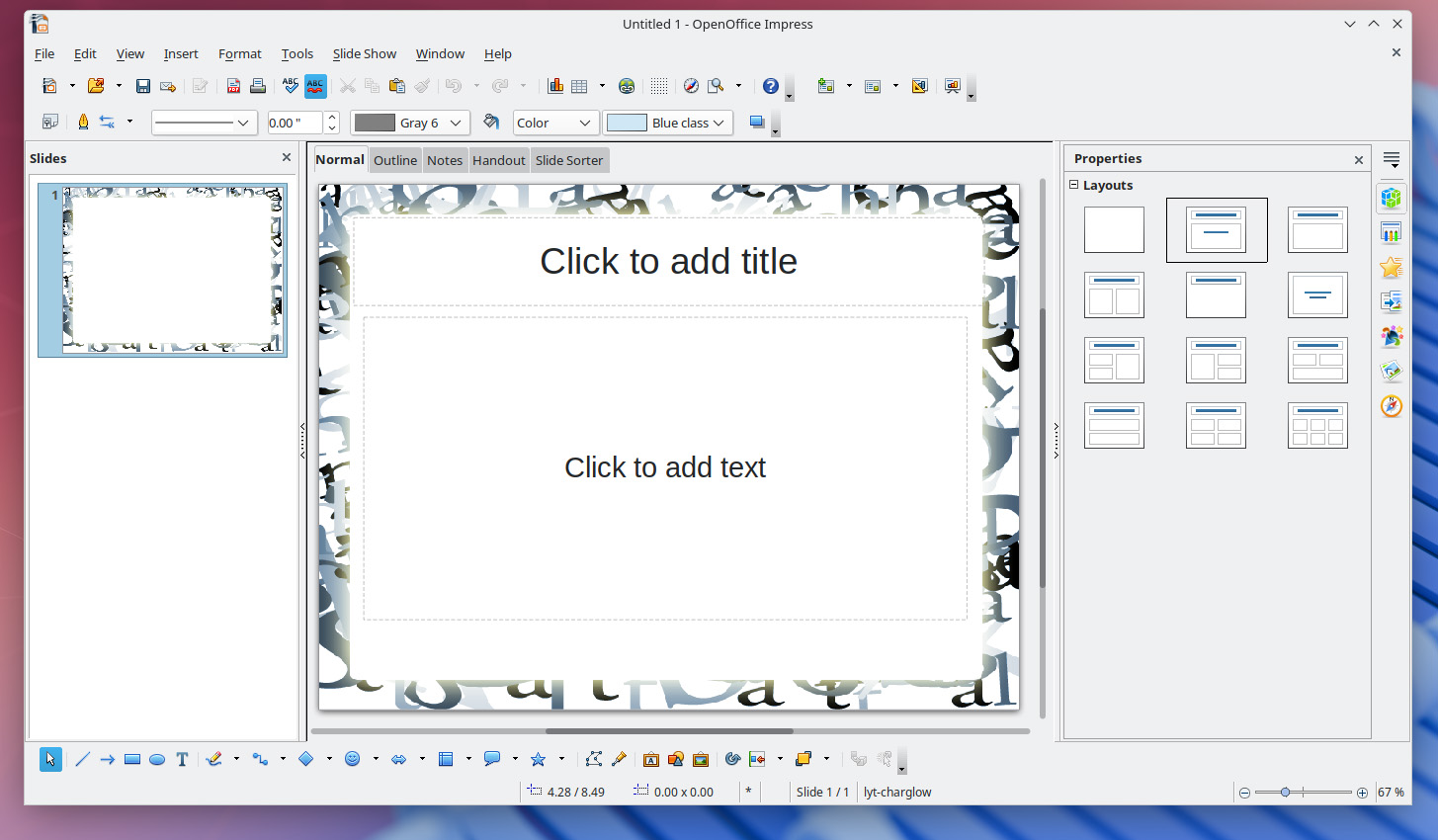
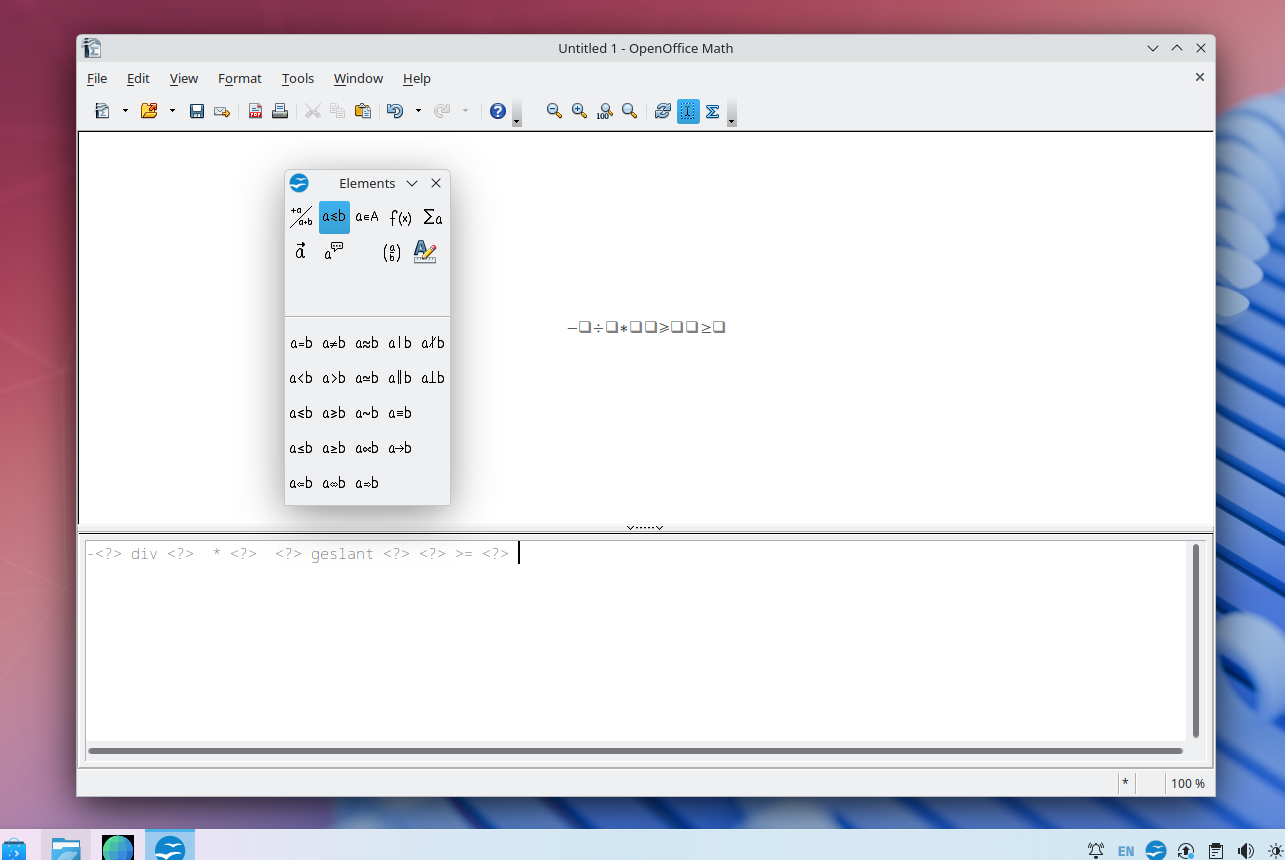
It is also becoming a viable option for workstations with many available packages & ports that cover a wide range of productivity software applications. Open Office packages include word
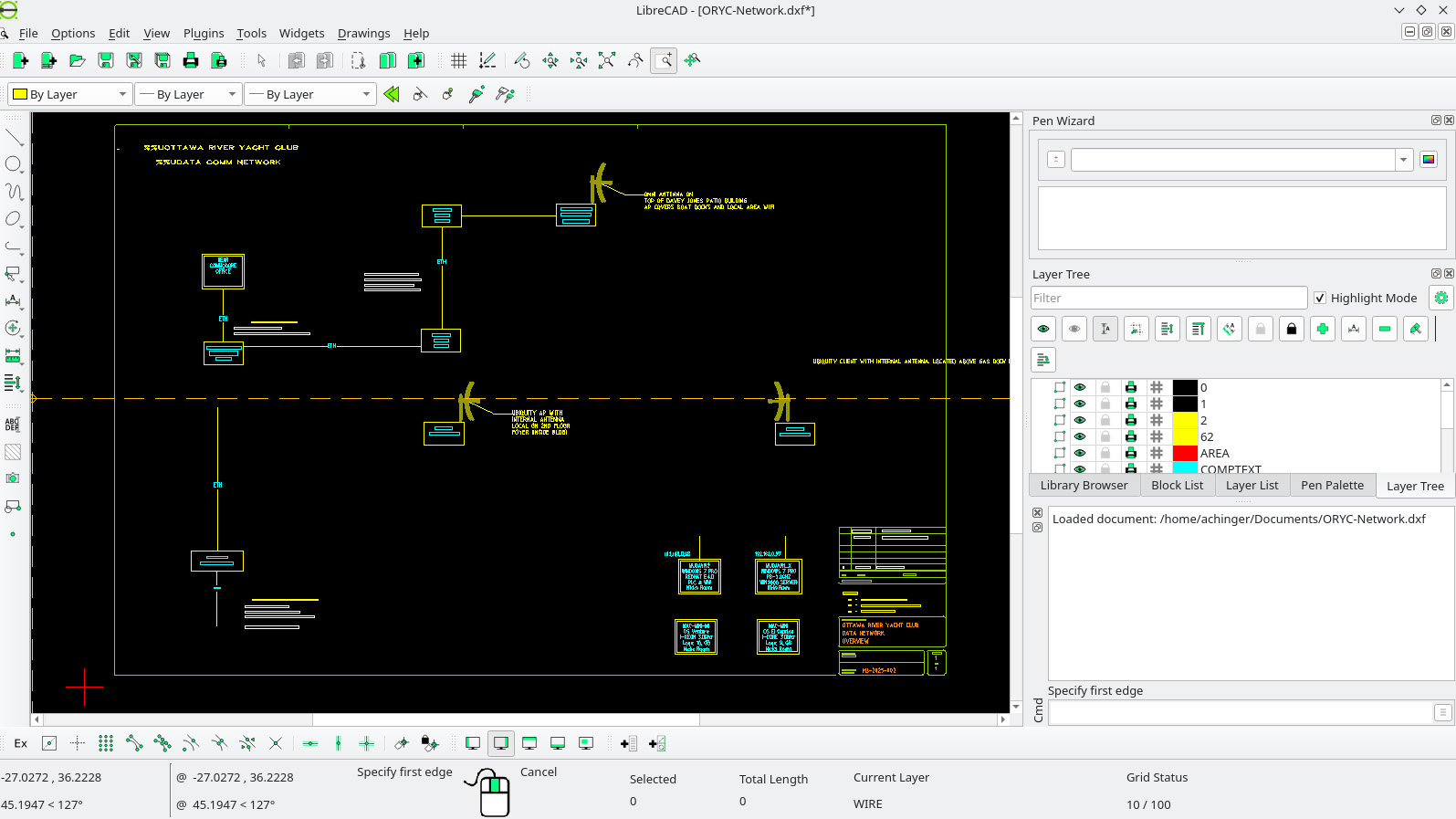
processors, spreadsheet, database, presentation and scientific programs. Computer aided design (CAD), video & photo editing, and network monitoring tools just scratch the surface of available
software ports & packages that are offered. See the examples below

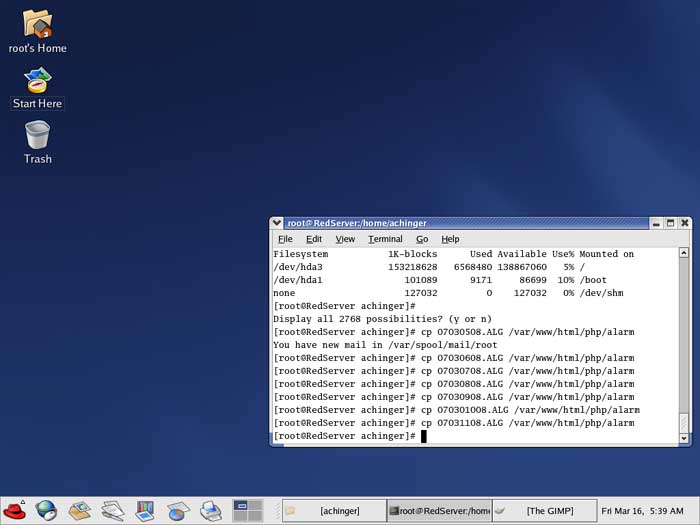
Often, when people say Linux, they are referring to the Linux kernel, initially created by Linus Torvalds in 1991. The kernel is the core component responsible for managing hardware, processes, and memory. However, the kernel alone is not a usable operating system. A complete Linux system, often called a GNU/Linux distribution (like Red Hat, Ubuntu, Fedora, Debian, CentOS), bundles the Linux kernel with system software and libraries, package managers, and application software. Different Linux distributions cater to various needs, from desktop workstations to servers and embedded devices. Unlike FreeBSDs integrated development, Linux distributions assemble components from various projects.
Linux often shows strong performance in low-level computing tasks and executing native applications. This is mostly due to extensive hardware vendor support and optimization efforts focused on application workloads. Linux security depends on the distribution and configuration. It offers a powerful security framework, yet its vast ecosystem means more eyes potentially finding vulnerabilities. Linux claims a wider hardware compatibility overall, especially for consumer desktop and laptop components. Major hardware vendors often provide Linux drivers directly due to its large market share.

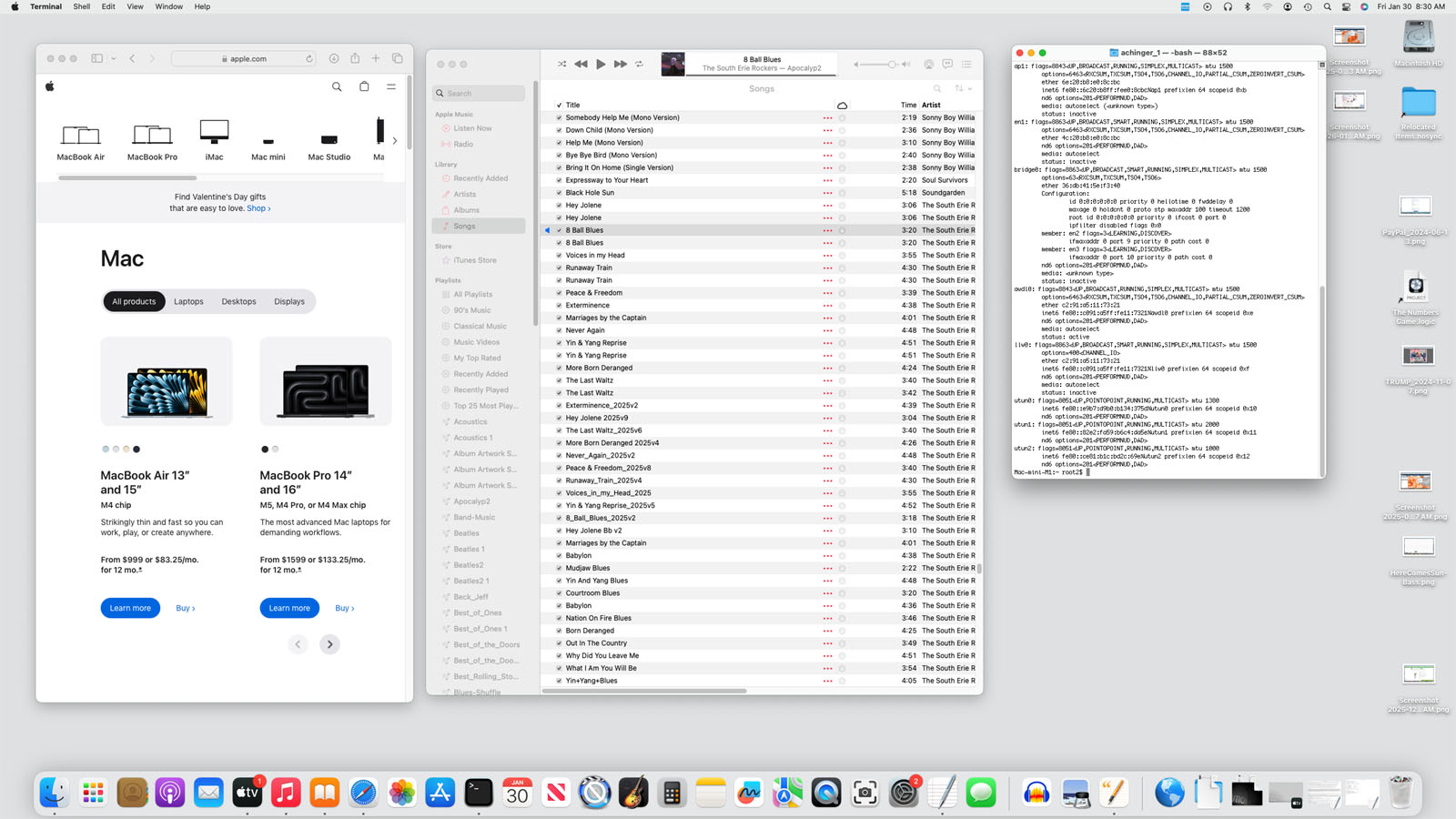
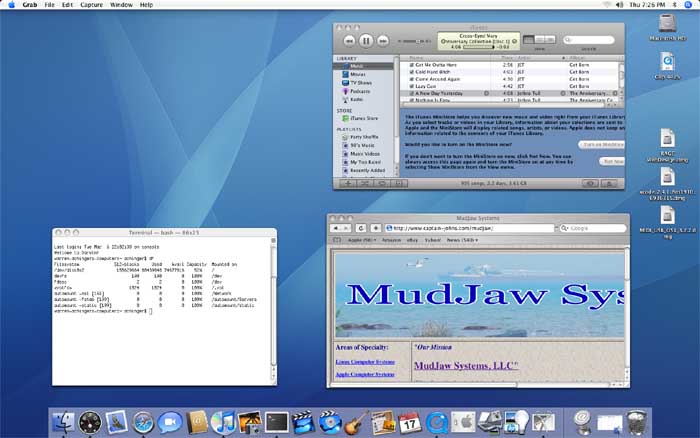
With control of both software & hardware, Apple Computer distinguishes itself as a leader in user desktop systems for creative professionals. Though pricier than their Intel / Microsoft competitors, Apple still leads the pack in a vast array of software applications. Apple provides superior hardware and integration devices with very low mean failure rates. Microsoft Windows supplies the operating system only. This allows Windows to provide a vast, customizable, and budget-friendly option that covers a wide range of hardware device intgrators.